

FOR IMMEDIATE RELEASE
17th February 2026
Loud as a Mouse
Eventide Releases a Modernized Version of Music Mouse,
Laurie Spiegel’s Groundbreaking Computer Instrument
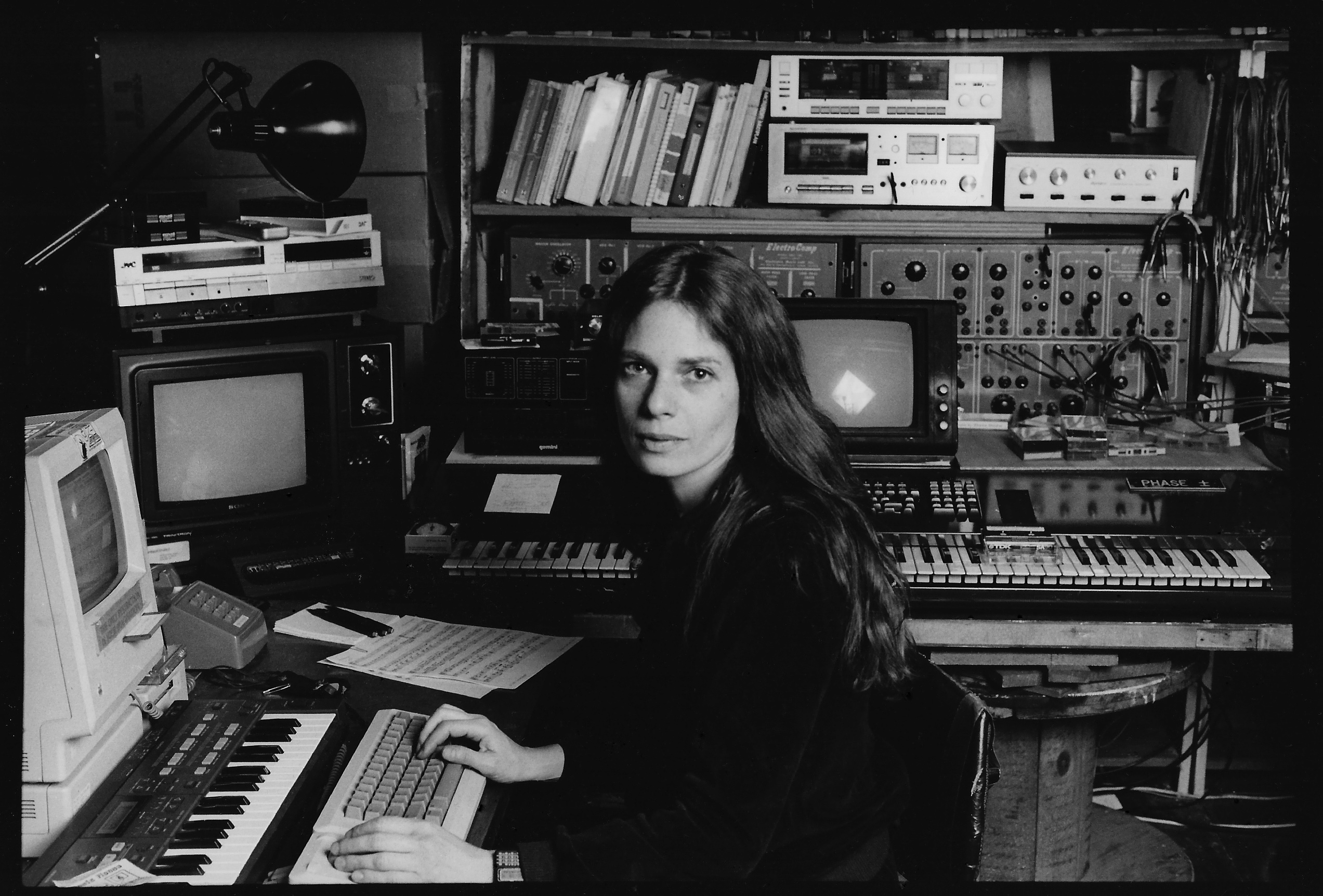
Little Ferry, NJ, February 17, 2026 — In the mid 1980s, as personal computers entered more and more homes, composer and technologist Laurie Spiegel wanted them to make imagination-expanding sound. She created Music Mouse, a program that turned the humble mouse into a versatile musical instrument. With a flick of the wrist, a sweep of the hand, anyone could generate chords, melodies, and arpeggios on their Atari, Amiga, or early Mac.
Music Mouse was fun and playful, making music in radically new ways. It also made history, marking the beginning of an era of digital music creation for all.
Now, the Mouse is back in the house with a squeaky fresh upgrade that builds on Spiegel’s seminal work and vision thanks to the crew at Eventide. A labor of love, an homage to a computer music great, and an intuitive digital instrument, Music Mouse is designed to intrigue, inspire, and delight music makers of all stripes and levels.
“Music Mouse orients you to think on a slightly larger scale of the phrase or the gesture,” Spiegel told fellow composer Frank J. Oteri in a 2014 interview. “Of course, you can still wander around, making a mess for a really long time. We’ve all done that. But it’s an improvising instrument and it’s a brainstorming instrument.”
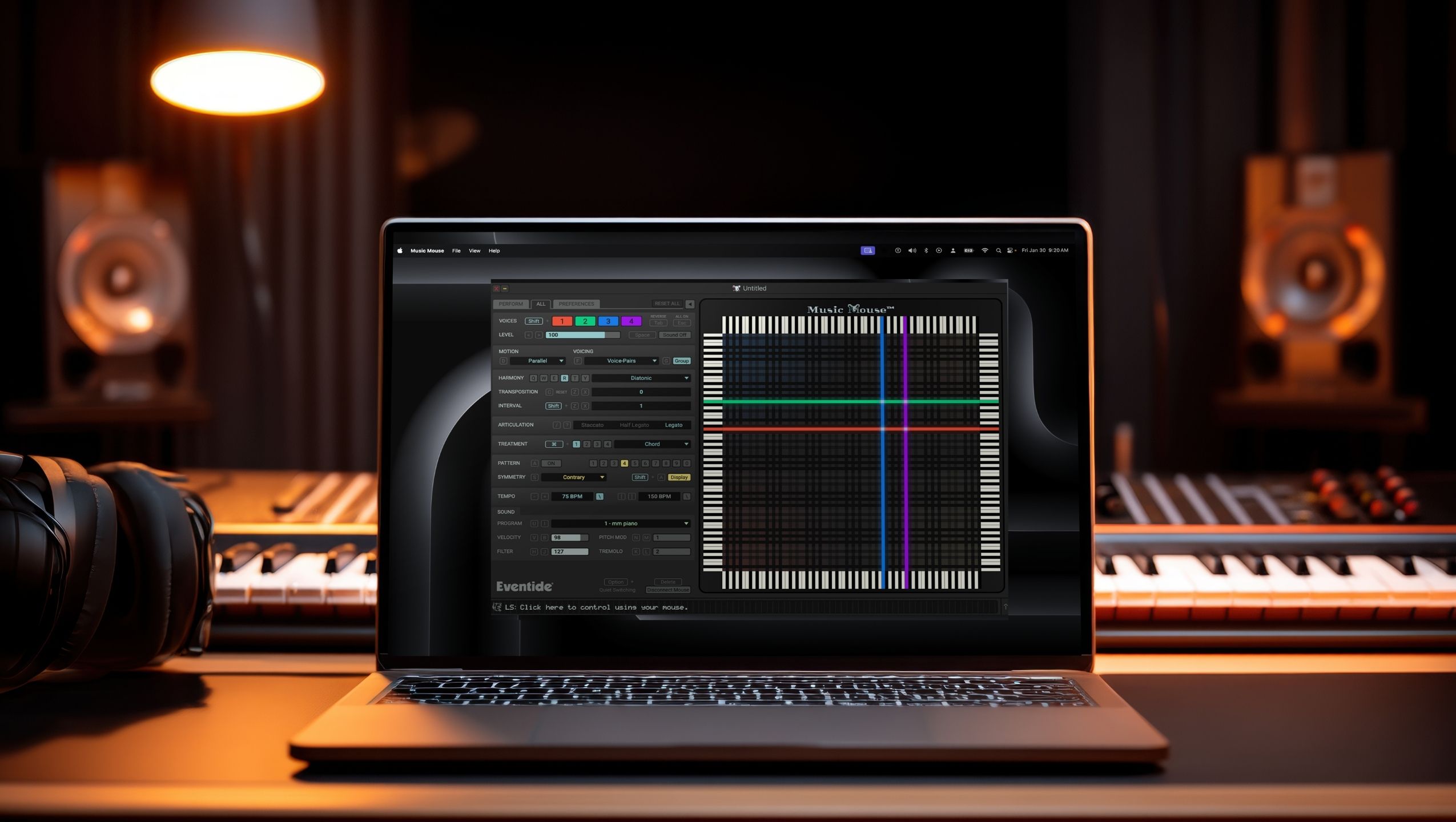
Music Mouse has scurried into uncounted electronic and other tracks over the decades, a continuing source of joy for synth and computer music enthusiasts and experimentally minded artists. Its unique interface and invitation to explore promise to spark a whole new wave of creativity.
Eventide is re-releasing Music Mouse with care, updated for modern systems, without changing what made it special. Just a singular musical idea, returned to play. Music Mouse can run on Mac 10.14+ (Intel and Apple Silicon) and Windows 11. Music Mouse, then and now, uses mouse position to determine what sounds a device generates. It can be used on its own, directly from the computer, and can now play right in your preferred DAW.
“When Laurie first described Music Mouse to me, I realized how it stood apart. The emerging tech of the mid ’80s was focused on adding effects or creating new sounds. Laurie’s idea was neither; it was different. She imagined using the computer as an intelligent musical tool that could be ‘trained’ to accompany and enrich a musician’s performance. She was light years ahead of her time,” reflects Tony Agnello, First Engineer at Eventide. “A new generation of Music Mouse is long overdue and it’s my honor to have helped breathe new life into Laurie’s creation.”
About Music Mouse by Eventide
Music Mouse is available now from Eventide. For more information, visit the Music Mouse product page.
New in this version:
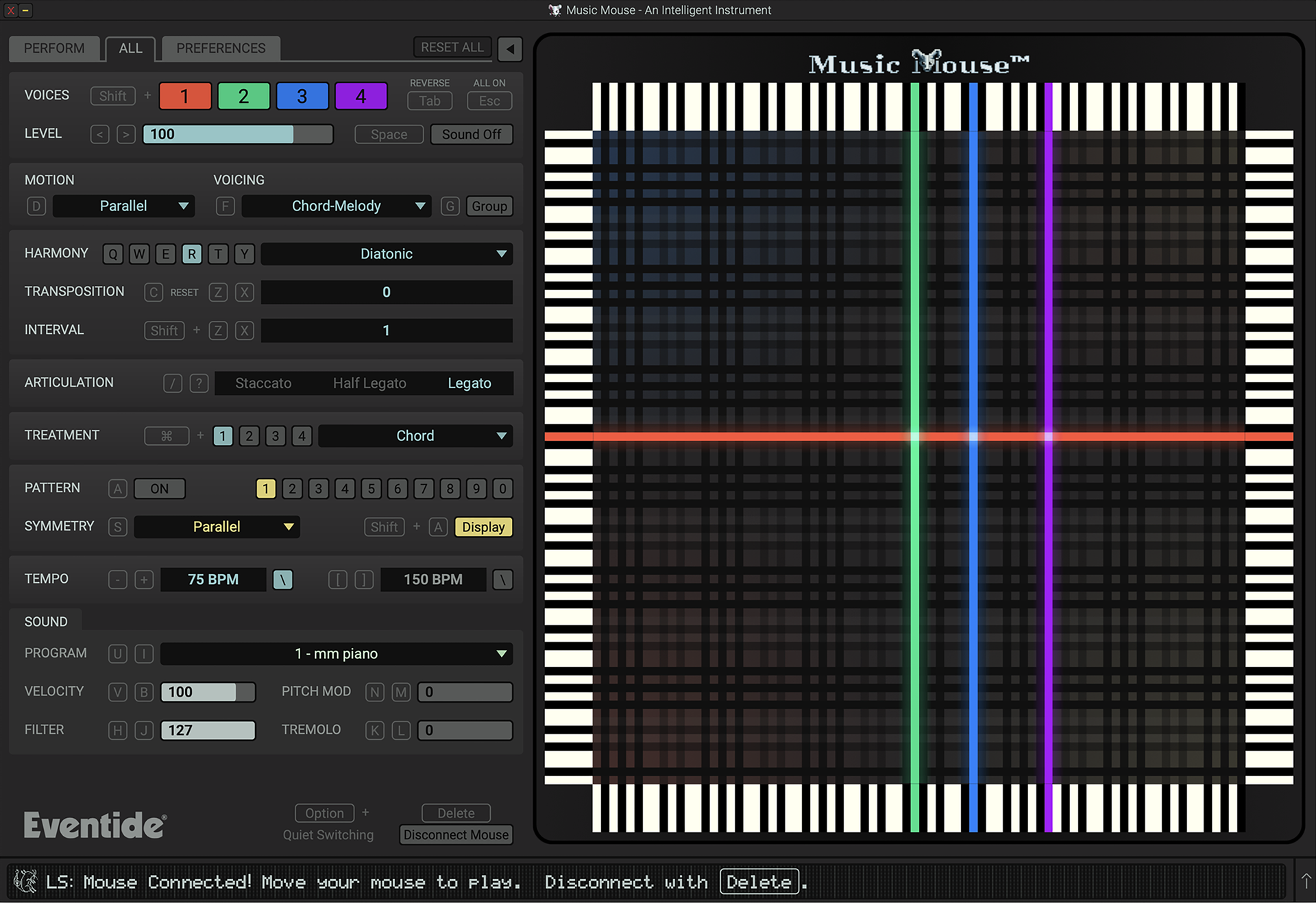
- Perform live or record music into your DAW or music notation software
- Syncs to an external MIDI clock and can lock to a DAW, hardware, or notation program
- Expanded sound presets drawn from Laurie Spiegel’s original DX7 and TX7 patches are built in
- Clearer visual feedback around the Polyphonic Cursor
- Optional UI guides, hint bar, and scalable interface
- Left- or right-handed layout options
About Laurie Spiegel
Composer Laurie Spiegel’s music draws on her classical training, pre-classical lute, and folk guitar and banjo roots; however, she is also a computer programmer, software designer, visualand video artist, and a published theorist. She is known for her pioneering work with several early electronic and computer music systems, focusing largely on interactive software that uses algorithmic logic to supplement and extend human abilities, and on the aesthetics of musical structure and cognitive process.
Her realization of Johannes Kepler’s Harmony of the Planets was sent into space as the opening cut of the Voyager Spacecraft’s record Sounds of Earth (1977). Spiegel’s recorded works have been available on 1750 Arch, Capriccio, Philo, Unseen Worlds, and other labels. Her computer software for music, such as Music Mouse
—An Intelligent Instrument (1986), has been published for Amiga, Atari, and Macintosh computers.
About Eventide:
Eventide has remained at the forefront of recording technology since 1971. In 1975, they revolutionized the audio industry by creating the world’s first commercially available digital audio effects unit, the H910 Harmonizer®. Since then, their legendary studio processors, effects pedals and plug-ins have been heard on countless hit records.
Eventide is a registered trademark of Eventide Inc. © 2026 Eventide Inc.
Press Inquiries & NFR Requests
Nalia Sanchez, Director of Digital Marketing
nsanchez@eventide.com
